2026-08-20 · 7 min read
Coaching Men vs Women: What Actually Differs (and What Doesn't)
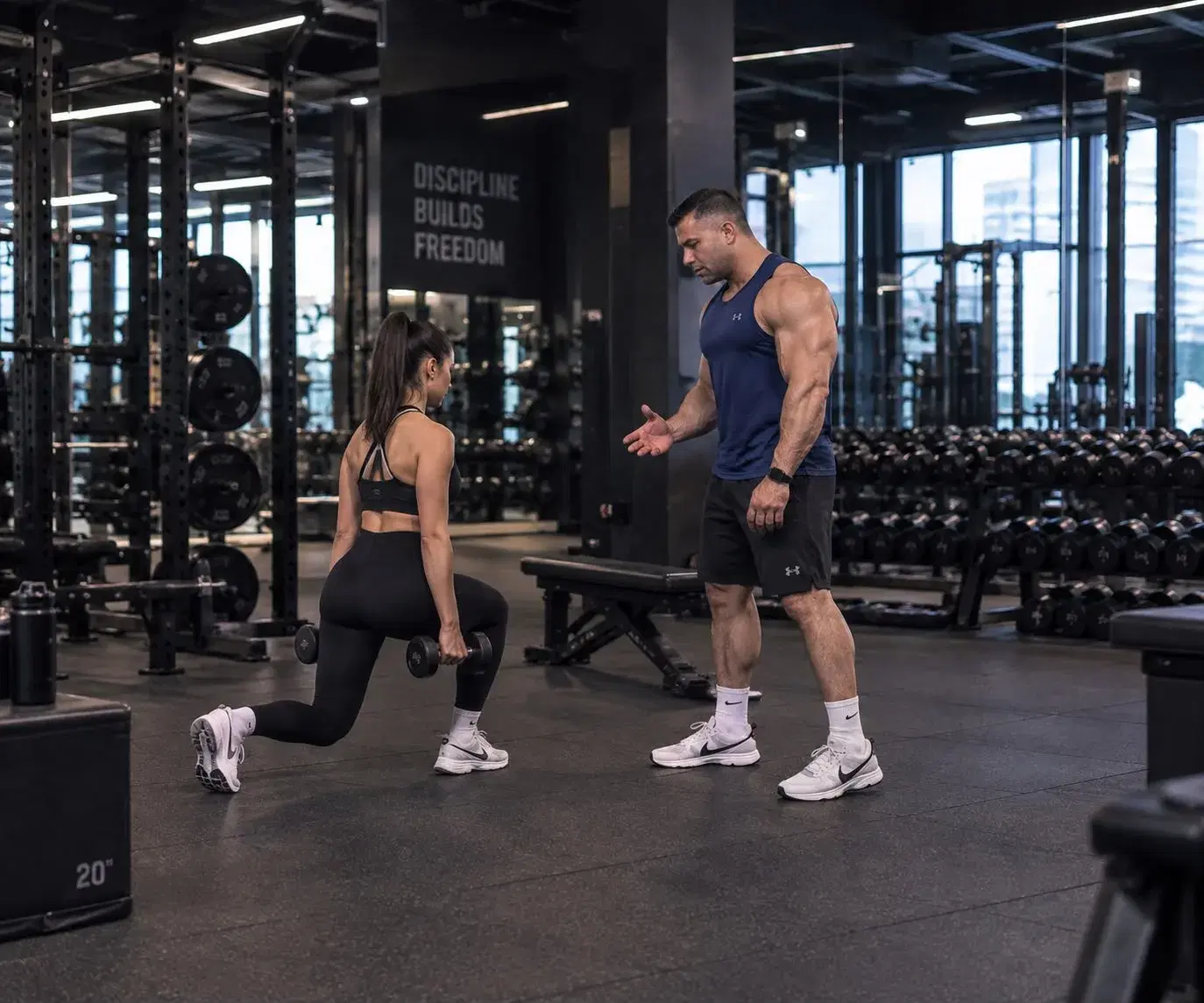
One of the most common questions I get asked is whether women should train differently from men. The short answer: the principles are the same, but the application is tailored to the individual. Let's separate what genuinely differs from what is simply a myth.
What Actually Differs Physiologically
On average, men carry more upper body muscle mass and have higher testosterone levels, which means a greater capacity to build size in the chest, shoulders, and arms. Women are often proportionally stronger in the lower body and tend to recover well from higher training volumes and shorter rest periods. These are population averages, though, not rules that apply to every person in front of me.
The "Bulky" Myth
The single most common fear I hear from women is that lifting weights will make them "bulky". Physiologically, that is not how it works. The hormonal profile of most women makes building large amounts of muscle a slow and deliberate process. Resistance training sculpts and strengthens the body, it does not accidentally add size overnight. The lean, toned look that most women are after is built precisely by lifting weights, not by avoiding them.
What Is Exactly the Same
Progressive overload, good technique, adequate protein, and consistency. These principles apply to everyone equally. Both men and women need genuine strength training to change their bodies. Cardio alone will not do it. The idea that women should stick to light weights and high reps while men lift heavy is one of the most damaging myths in the industry. Everyone benefits from lifting challenging loads with good form.
Goals Differ, Not Capabilities
Women often come to me with body shaping, strength, and health goals, while men tend to lean towards size and maximal strength. But these are individual preferences, not limits set by biology. I have coached women chasing serious strength numbers and men who simply want to move well and look after their health. I build the programme around your goal, not around assumptions based on your sex.
Cycle-Aware Training for Women
For female clients, the phases of the menstrual cycle can affect energy, recovery, and performance. A good coach accounts for this, dialling intensity up or down when it makes sense, without treating a client as fragile. Some women feel strongest in the first half of their cycle and prefer to push hard then, easing off later. This kind of intelligent flexibility produces better long-term results than ignoring it or over-restricting.
Communication and Coaching Style
The biggest differences I notice are rarely physical. They are in communication and confidence. Some clients thrive on firm, direct pushing; others respond better to patient encouragement and building trust rep by rep. Reading the person in front of me matters far more than whether they are a man or a woman. A beginner who feels self-conscious needs a different approach from a seasoned lifter, regardless of sex.
The Bottom Line
Men and women do not need different training science. They need individualised training. Real personalisation is based on your goals, your physiology, and how your body responds, not on assumptions. Whether you are a man or a woman, a complete beginner or an experienced athlete, the best programme is the one built around you.
Ready to start training?
Book a Session